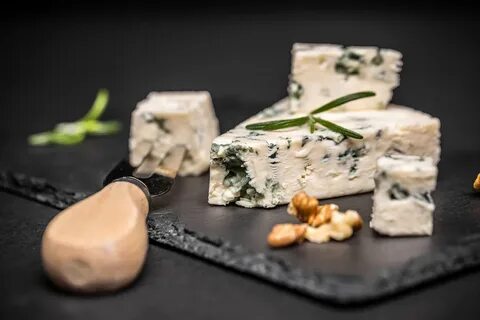
Many cheese lovers struggle to find a balance between creamy mild flavors and the bold character of blue cheese. Traditional blue cheeses can feel too strong for some people, while softer cheeses may lack depth and personality. Masgonzola solves this challenge by offering a balanced cheese experience that combines creamy richness with a gentle tangy flavor. This unique cheese blend has gained attention among gourmet food enthusiasts because it brings together the smooth texture of mascarpone and the distinctive character of Gorgonzola.
If you are searching for Masgonzola meaning, wondering what is Masgonzola, or looking for its features and benefits, this complete guide explains everything you need to know about this modern cheese creation.
What Is Masgonzola?
Masgonzola is a creamy cheese blend created by combining mascarpone and Gorgonzola cheese. The name itself reflects its two main components: “Mas” from mascarpone and “Gonzola” from Gorgonzola. The result is a smoother and more approachable version of blue cheese that maintains the depth of Gorgonzola while adding the luxurious creaminess of mascarpone.
Unlike traditional protected cheeses with strict regional definitions, Masgonzola is generally considered a creative culinary combination rather than a centuries-old classified cheese variety. It represents modern cheese-making innovation, where producers experiment with textures and flavors to create new experiences for consumers.
The creamy mascarpone element provides:
- Smooth buttery texture
- Mild sweetness
- Rich mouthfeel
The Gorgonzola element adds:
- Tangy flavor
- Earthy notes
- Characteristic blue cheese complexity
Together, these ingredients create a cheese that is flavorful without being overwhelmingly intense.
Masgonzola Meaning: Understanding the Name
The Masgonzola meaning comes from the combination of two famous Italian cheeses:
- Mascarpone – A soft, creamy cheese known for its delicate and slightly sweet taste.
- Gorgonzola – A famous Italian blue cheese recognized for its blue-green veins and distinctive flavor.
The combination creates a product that sits between mild creamy cheeses and stronger blue varieties. This makes Masgonzola appealing to people who want to explore blue cheese flavors but prefer a softer introduction.
How Is Masgonzola Made?
The production of Masgonzola focuses on achieving the right balance between creaminess and bold flavor. While recipes can vary, the general process involves combining mascarpone with Gorgonzola in carefully controlled proportions.
1. Preparing the Mascarpone Base
Mascarpone is created from cow’s milk cream and is known for its smooth, spreadable consistency. It contributes richness and a silky texture to the final cheese.
2. Adding Gorgonzola
Gorgonzola brings the blue cheese characteristics, including mild sharpness, earthy flavors, and a distinctive aroma.
3. Blending for Balance
The two cheeses are blended or layered together to create a creamy structure while maintaining the unique identity of both ingredients.
The quality of ingredients and the ratio between mascarpone and Gorgonzola determine the final taste, texture, and intensity.
Key Features of Masgonzola
Creamy and Smooth Texture
One of the biggest features of Masgonzola is its soft and creamy consistency. Unlike many traditional blue cheeses that can be crumbly, Masgonzola is easier to spread and incorporate into different dishes.
Balanced Flavor Profile
Masgonzola delivers a combination of:
- Creamy buttery notes from mascarpone
- Mild tanginess from Gorgonzola
- Subtle earthy undertones
This balance makes it suitable for both experienced cheese enthusiasts and beginners.
Premium Gourmet Appeal
Masgonzola fits well into modern gourmet cuisine because it offers a unique taste experience. It can transform simple meals into more refined dishes.
Versatile Culinary Use
Another important feature is flexibility. Masgonzola can be enjoyed on cheese boards, added to pasta, used in sauces, or paired with fruits and nuts.
Masgonzola Flavor Profile: What Does It Taste Like?
The taste of Masgonzola is often described as a combination of creamy sweetness and gentle blue cheese character.
The first impression is usually rich and buttery because of the mascarpone. As the flavor develops, the Gorgonzola influence creates a mild tangy and savory finish.
Compared with stronger blue cheeses, Masgonzola offers:
| Feature | Masgonzola Experience |
| Texture | Soft, creamy, spreadable |
| Taste | Rich, mild, slightly tangy |
| Aroma | Earthy with blue cheese notes |
| Intensity | Balanced rather than overpowering |
This balanced profile makes it a good choice for people who enjoy experimenting with different cheese varieties.
Masgonzola Features and Benefits
Easier Introduction to Blue Cheese
Many people avoid blue cheese because of its strong flavor. Masgonzola provides a gentler alternative by reducing the sharpness while maintaining the unique character of blue cheese.
Enhances Everyday Recipes
Its creamy texture allows it to blend easily into recipes. It can add richness to pasta sauces, risottos, sandwiches, and appetizers.
Creates a Premium Dining Experience
Masgonzola can elevate simple dishes by adding complexity and a gourmet touch without requiring complicated preparation.
Works Well with Different Ingredients
This cheese pairs naturally with:
- Fresh fruits like pears and figs
- Nuts such as walnuts
- Crackers and artisan bread
- Pasta and creamy sauces
Popular Ways to Use Masgonzola
Masgonzola on Cheese Boards
Serve it with crackers, fruits, honey, and nuts for an elegant appetizer.
Creamy Pasta Sauce
Masgonzola melts smoothly, making it suitable for creating rich pasta sauces with a distinctive flavor.
Pizza and Baked Dishes
Its creamy consistency allows it to blend beautifully with warm dishes.
Salads and Snacks
Small amounts can add a flavorful twist to salads and light meals.
Masgonzola vs Traditional Gorgonzola
| Feature | Masgonzola | Gorgonzola |
| Main Ingredients | Mascarpone + Gorgonzola blend | Cow’s milk blue cheese |
| Texture | Creamier and softer | Soft to crumbly depending on variety |
| Flavor | Mild, creamy, balanced | Stronger blue cheese character |
| Best For | Beginners and gourmet recipes | Blue cheese lovers |
Gorgonzola remains a traditional Italian blue cheese, while Masgonzola focuses on creating a smoother and more approachable experience.
Is Masgonzola Healthy?
Like many dairy products, Masgonzola can provide nutrients such as protein and calcium. However, it is also typically rich in fat and calories, so portion size matters.
A balanced approach is recommended:
- Enjoy it as part of a varied diet
- Combine it with vegetables, fruits, and whole foods
- Consume moderate portions
People with dairy allergies, lactose concerns, or specific dietary restrictions should check ingredients before consumption.
Why Is Masgonzola Becoming Popular?
The growing interest in Masgonzola comes from changing food preferences. Many consumers are looking for unique flavors that are different from ordinary cheeses but still approachable.
Its popularity is linked to:
- Interest in artisan foods
- Demand for creative cheese blends
- Growing gourmet cooking trends
- Preference for balanced flavors
Masgonzola represents the modern approach to food innovation—combining traditional ingredients to create something new.
Frequently Asked Questions About Masgonzola
What is Masgonzola?
Masgonzola is a cheese blend made by combining mascarpone and Gorgonzola to create a creamy, mildly tangy cheese with a balanced flavor profile.
What does Masgonzola taste like?
It tastes creamy, buttery, slightly sweet, and mildly tangy with subtle blue cheese notes.
Is Masgonzola the same as Gorgonzola?
No. Gorgonzola is a traditional Italian blue cheese, while Masgonzola is a blended cheese that combines mascarpone and Gorgonzola characteristics.
How can you eat Masgonzola?
It can be enjoyed on crackers, cheese boards, pasta, pizza, salads, and many other dishes.
Is Masgonzola a type of blue cheese?
It contains blue cheese elements from Gorgonzola but has a much creamier and milder profile.
Conclusion
Masgonzola offers a unique cheese experience by combining the luxurious creaminess of mascarpone with the distinctive flavor of Gorgonzola. Its balanced taste, smooth texture, and culinary versatility make it an interesting choice for both cheese experts and beginners.
Whether you want to explore new gourmet flavors, upgrade your recipes, or simply understand Masgonzola meaning, this modern cheese blend provides a creative alternative to traditional varieties. As interest in artisan and fusion foods continues to grow, Masgonzola stands out as an example of how classic ingredients can be transformed into something fresh and exciting.

One thought on “Masgonzola Explained: Meaning, Features, Benefits, and Everything You Need to Know”